
Brandon Woffinden
LCMHC· Accepting clientsUtah · 10 yrs exp
Stress, Anxiety · Addictions · Trauma and abuse · Grief · +14 more
Read profileThe therapist listings are provided by BetterHelp and we will earn a commission if you use our link - at no cost to you.
Welcome to the Utah online therapy directory. All therapists listed here are licensed in Utah and offer online counseling to residents across the state. Explore profiles to find clinicians whose approaches match your needs and connect to schedule a consultation.
Utah · 10 yrs exp
Stress, Anxiety · Addictions · Trauma and abuse · Grief · +14 more
Read profile
Utah · 8 yrs exp
Stress, Anxiety · Relationship · Trauma and abuse · Self esteem · +14 more
Read profile
Utah · 18 yrs exp
Stress, Anxiety · Relationship · Grief · Self esteem · +10 more
Read profile
Utah · 21 yrs exp
Relationship · Family · Trauma and abuse · Intimacy-related issues · +14 more
Read profile
Utah · 25 yrs exp
Stress, Anxiety · Relationship · Self esteem · Career · +9 more
Read profile
Utah · 7 yrs exp
Stress, Anxiety · Relationship · Trauma and abuse · Self esteem · +9 more
Read profile
Utah · 7 yrs exp
Stress, Anxiety · Addictions · Relationship · Trauma and abuse · +10 more
Read profile
Utah · 3 yrs exp
Stress, Anxiety · Grief · Self esteem · Depression · +1 more
Read profile
Utah · 32 yrs exp
Stress, Anxiety · Self esteem · Depression · Coping with life changes · +2 more
Read profile
Utah · 3 yrs exp
Stress, Anxiety · Addictions · Self esteem · Depression · +1 more
Read profile
Utah · 12 yrs exp
Stress, Anxiety · Family · Trauma and abuse · Parenting · +12 more
Read profile
Utah · 32 yrs exp
Stress, Anxiety · Self esteem · Bipolar · Depression · +9 more
Read profile
Utah · 9 yrs exp
Stress, Anxiety · Relationship · Parenting · Self esteem · +7 more
Read profile
Utah · 8 yrs exp
Stress, Anxiety · LGBT · Trauma and abuse · Intimacy-related issues · +14 more
Read profile
Utah · 5 yrs exp
Relationship · Family · Self esteem · Depression · +16 more
Read profile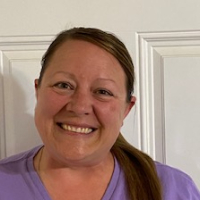
Utah · 9 yrs exp
Stress, Anxiety · Addictions · Trauma and abuse · Self esteem · +9 more
Read profile
Utah · 11 yrs exp
Stress, Anxiety · Relationship · Trauma and abuse · Self esteem · +13 more
Read profile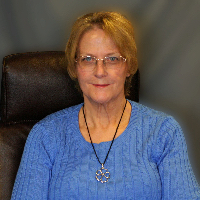
Utah · 25 yrs exp
Stress, Anxiety · Family · Trauma and abuse · Anger · +15 more
Read profile
Utah · 20 yrs exp
Relationship · Family · Trauma and abuse · Parenting · +13 more
Read profile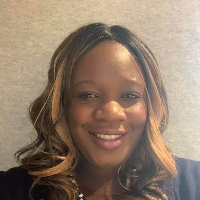
Utah · 20 yrs exp
Stress, Anxiety · Addictions · Trauma and abuse · Self esteem · +12 more
Read profile
Utah · 23 yrs exp
Stress, Anxiety · Trauma and abuse · Self esteem · Depression · +12 more
Read profile
Utah · 12 yrs exp
Stress, Anxiety · Relationship · Family · Grief · +13 more
Read profile
Utah · 16 yrs exp
Stress, Anxiety · Family · Self esteem · Depression · +10 more
Read profile
Utah · 20 yrs exp
Stress, Anxiety · Trauma and abuse · Grief · Self esteem · +14 more
Read profileOnline therapy has expanded rapidly across Utah, making mental health care more reachable whether you live in Salt Lake City, a suburb, or a rural area. Licensed clinicians in counseling, social work, marriage and family therapy, and psychology frequently provide remote sessions by video or phone. State regulations permit licensed providers to offer services to Utah residents when they meet professional guidelines, and many practices now include telehealth as a standard option. You should understand that delivery methods may vary - some therapists prefer video calls, while others offer audio sessions or a mix based on what you and the therapist agree upon. Accessibility has helped people who previously struggled with distance, scheduling constraints, or transportation access, and it can offer continuity of care if you move within the state or travel temporarily. When you search listings, you will often find therapists who specify their service areas, age groups they work with, and any licensure details relevant to telehealth. This overview gives you an idea of how broadly available online therapy is in Utah and what to expect as you begin your search.
Online therapy brings practical advantages you can notice right away. You can schedule appointments around work, school, or family obligations without adding commute time. If you live in a region with limited in-person providers, virtual sessions broaden your options, letting you connect with clinicians who specialize in the issues you want to address. You may find it easier to maintain consistent weekly sessions when you can join from home or another comfortable environment. For parents, caretakers, and busy professionals, the flexibility of remote sessions can make ongoing care realistic. Online therapy also gives you the chance to find a therapist with specific training, cultural background, or language skills that match your needs even if that clinician does not practice near you. In addition, you can often access a wider variety of therapeutic approaches - cognitive behavioral therapy, trauma-informed care, family therapy, and more - because geography is less of a constraint. When you weigh options, consider how convenience, therapist specialization, and session format fit your life and treatment goals.
Online therapists in Utah address a broad range of concerns, from common life stressors to more complex emotional challenges. Many therapists work with anxiety and depression, offering tools to manage symptoms, improve daily functioning, and build coping strategies. Couples and family therapists support relationship communication, conflict resolution, and transitions such as blending families or parenting changes. Therapists experienced with trauma provide approaches aimed at processing difficult experiences and reducing their impact on current life. You can also find clinicians who specialize in grief, substance use concerns, stress from work or school, and behavioral challenges in children and adolescents. For people navigating identity questions, cultural shifts, or coming out, therapists often provide affirming spaces to explore identity and relationships. If you are managing chronic illness or long-term stressors, a therapist can help you develop routines and coping strategies that fit your circumstances. When searching profiles, look for descriptions of populations served and therapeutic modalities so you can match your needs with a clinician’s experience.
Verifying licensure is an important step to confirm that a therapist is authorized to practice in Utah. You can begin by asking the therapist for their license type and number, which most clinicians provide upon request or list on their profile. With that information, check the state licensing board’s online lookup tool to confirm the license status, expiration date, and whether any disciplinary actions are recorded. The license designations you may encounter include licensed professional counselor, licensed clinical social worker, licensed marriage and family therapist, or psychologist. Pay attention to the license status - active licenses indicate the clinician is authorized to practice, while other designations may require additional clarification. If you prefer direct confirmation, you can contact the state licensing division by phone or email for assistance. Also consider looking at the therapist’s education and training background, including postgraduate supervision where applicable, as well as any advanced certifications in specific modalities. Verifying a license provides reassurance about professional credentials and helps you make informed choices about who you entrust with your care.
Begin by clarifying what you want to accomplish in therapy - symptom relief, improved relationships, support through a life change, or building new skills. Use search filters to find clinicians who list relevant specialties and who offer telehealth. When you reach out, describe your primary concerns and ask about availability, fees, and whether they accept your insurance or offer sliding scale options. Many therapists offer an initial consultation - often a brief phone call or video chat - so you can get a sense of their style and determine whether you feel comfortable working with them. Treat that first contact as an opportunity to ask about their approach, session length, typical homework or between-session work, and how they measure progress.
Choosing a therapist is a personal decision influenced by more than credentials. Consider how the therapist communicates in the initial exchange - do they listen to your concerns and describe clear goals? Think about logistical factors like scheduling, cost, and whether the clinician can accommodate changes in your routine. Ask about their experience with issues similar to yours and about culturally responsive care if that matters to you. If language, faith perspectives, or lived experience are important, look for therapists who indicate those competencies. It is reasonable to try a few sessions and reassess. You may feel an immediate connection, or it may take several sessions to gauge whether the approach is working for you. If you do not feel the fit is right, you can request a referral or continue searching - finding the right match often makes a big difference in progress.
Before your first online session, choose a quiet, comfortable location where you can speak openly without interruptions. Test your device, camera, and microphone, and confirm the platform details with your provider. Discuss an emergency plan with your therapist at the outset - understand how they handle crisis situations and what local resources are available to you if immediate help is needed. Plan to set realistic short-term goals with your therapist so you can track progress and make adjustments to frequency or focus as needed. Taking these practical steps will help you get the most from remote sessions and support a productive therapeutic relationship.
As you continue, stay engaged in the process by reflecting on what works and sharing feedback with your therapist. Therapy is a collaborative effort - your openness about what helps or hinders progress allows adjustments that improve outcomes. Keep in mind that consistency and clear communication about goals and expectations often lead to better results. Use the directory to compare clinicians by specialty, approach, and availability, and reach out for initial consultations until you find a good match. With thoughtful searching and clear communication, online therapy can be an accessible and effective way to address emotional challenges, build resilience, and move toward your personal goals in Utah.