
Katherine Bonham
LPCC· Accepting clientsMinnesota · 13 yrs exp
Stress, Anxiety · Addictions · Trauma and abuse · Self esteem · +9 more
Read profileThe therapist listings are provided by BetterHelp and we will earn a commission if you use our link - at no cost to you.
Welcome to the Minnesota online therapist directory, a starting point for residents seeking licensed mental health care via phone or video. All therapists listed here hold current Minnesota licenses and offer remote appointments to meet a range of needs. Explore the listings to compare specialties, availability, and to find a clinician who fits your preferences.
Minnesota · 13 yrs exp
Stress, Anxiety · Addictions · Trauma and abuse · Self esteem · +9 more
Read profile
Minnesota · 5 yrs exp
Stress, Anxiety · Family · Trauma and abuse · Grief · +10 more
Read profile
Minnesota · 25 yrs exp
Stress, Anxiety · Addictions · Trauma and abuse · Grief · +12 more
Read profile
Minnesota · 30 yrs exp
Stress, Anxiety · Relationship · Family · Trauma and abuse · +16 more
Read profile
Minnesota · 43 yrs exp
Stress, Anxiety · Family · Parenting · Depression · +4 more
Read profile
Minnesota · 10 yrs exp
Stress, Anxiety · Anger · Self esteem · Coping with life changes · +8 more
Read profile
Minnesota · 40 yrs exp
Stress, Anxiety · Addictions · Trauma and abuse · Grief · +10 more
Read profile
Minnesota · 25 yrs exp
Addictions · Relationship · Grief · Depression · +8 more
Read profile
Minnesota · 9 yrs exp
Stress, Anxiety · Addictions · Relationship · Depression · +1 more
Read profile
Minnesota · 38 yrs exp
Addictions · Relationship · Trauma and abuse · Self esteem · +1 more
Read profile
Minnesota · 25 yrs exp
Stress, Anxiety · Relationship · Grief · Self esteem · +9 more
Read profile
Minnesota · 20 yrs exp
Stress, Anxiety · Grief · Self esteem · Depression · +8 more
Read profile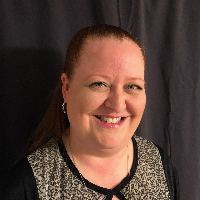
Minnesota · 13 yrs exp
Stress, Anxiety · LGBT · Relationship · Intimacy-related issues · +11 more
Read profile
Minnesota · 13 yrs exp
Stress, Anxiety · Addictions · Relationship · Depression · +14 more
Read profile
Minnesota · 16 yrs exp
Stress, Anxiety · Addictions · Trauma and abuse · Grief · +12 more
Read profile
Minnesota · 10 yrs exp
Stress, Anxiety · Family · Trauma and abuse · Depression · +16 more
Read profile
Minnesota · 8 yrs exp
Stress, Anxiety · Addictions · Relationship · Anger · +11 more
Read profile
Minnesota · 10 yrs exp
Stress, Anxiety · Family · Trauma and abuse · Parenting · +8 more
Read profile
Minnesota · 13 yrs exp
Stress, Anxiety · Relationship · Self esteem · Depression · +11 more
Read profile
Minnesota · 9 yrs exp
Stress, Anxiety · Family · Trauma and abuse · Grief · +11 more
Read profile
Minnesota · 8 yrs exp
Stress, Anxiety · Family · Trauma and abuse · Grief · +8 more
Read profile
Minnesota · 21 yrs exp
Stress, Anxiety · Trauma and abuse · Grief · Depression · +12 more
Read profile
Minnesota · 11 yrs exp
Stress, Anxiety · Relationship · Family · Depression · +9 more
Read profile
Minnesota · 32 yrs exp
Stress, Anxiety · Trauma and abuse · Parenting · Self esteem · +10 more
Read profileOnline therapy has become a widely used option across Minnesota, connecting people from urban centers and small towns alike with licensed clinicians. If you live in Minneapolis, Duluth, Rochester, or a rural community, remote mental health services make it possible to access care without long drives or multiple transfers. Providers who offer telehealth typically use video calls or phone sessions to deliver counseling, psychotherapy, and related support. Those services are provided by clinicians licensed under Minnesota statutes who are permitted to treat state residents using remote technology. You will find practitioners who work in individual therapy, couples therapy, family therapy, and specialty areas, and many offer flexible scheduling that includes evenings or weekend appointments to fit your routine.
Telehealth has been incorporated into the standard practice model for many therapists in Minnesota, and clinics and solo practitioners have adapted their workflows to manage intake, documentation, and follow-up remotely. While the exact tools and platforms vary, therapists are required to follow state rules for practicing remotely, and they often provide clear information about how sessions are conducted, how to prepare for a first appointment, and what to do in case of technical issues. For you as a client, this means more options and greater convenience while still seeing professionals who are accountable under Minnesota licensing requirements.
Choosing online therapy can offer practical advantages that fit everyday life in Minnesota. You may find that removing travel time makes it easier to keep appointments around work, school, or family responsibilities. If you live in a region where in-person options are limited, remote care expands your choices so you can connect with therapists who have specific expertise that might not be available locally. For many people, meeting with a therapist from home or another familiar setting helps lower the initial barrier to seeking help and supports better attendance over time.
Online therapy supports continuity of care when you move within the state or travel for work. It can also be a useful option when weather or transportation makes in-person visits difficult. Accessibility gains are not only geographic - they can include more appointment times, shorter waiting lists, and the ability to maintain momentum in therapy without interruptions. If you have mobility challenges or caregiving responsibilities, remote sessions can reduce the logistical strain of accessing care. Keep in mind that certain clinical situations are better suited to in-person treatment, so your therapist will help determine if remote sessions are appropriate for your needs.
Online therapists in Minnesota work with a wide range of concerns that many people seek help for. You can expect to find clinicians who work with mood challenges such as anxiety and depression, relationship and family issues, stress from life transitions like job changes or caregiving, and grief after loss. Therapists also provide support for work-related stress, identity and adjustment questions, parenting concerns, and coordination of care for behavioral or developmental issues. Many practitioners offer targeted approaches for trauma-related symptoms, obsessive-compulsive concerns, attention difficulties, and other specific needs.
When you explore therapist profiles, you will see a variety of therapeutic orientations and specialty training, including cognitive-behavioral interventions, trauma-informed care, couples therapy, and integrative approaches. Some clinicians focus on particular populations such as teens, older adults, veterans, or LGBTQ+ clients, while others bring cultural competence and language skills to their practice. Because online therapy can broaden access to specialized clinicians, you have more opportunities to match with someone who understands your background and the particular challenges you are facing.
Verifying that a therapist holds an active Minnesota license is an important step before starting care. Most therapists list their license type and number on their profile, and you can use that information to confirm the license status through the state’s professional licensing website. The licensing lookup will typically show whether a license is current, the license category, the expiration date, and whether there are any disciplinary actions on record. If a therapist does not provide a license number, you can request it directly and follow up with the licensing authority for confirmation.
When you check a license, look for the clinician’s name and license type that match the services offered - for example, licensed professional clinical counselor, licensed marriage and family therapist, or licensed psychologist. Confirming an active status and absence of restrictions or disciplinary findings gives you additional assurance that the clinician meets Minnesota’s regulatory standards. If you have questions about interpreting a license record, the state board’s contact information is generally available on its website and can guide you through the process of verifying credentials.
Getting started with an online therapist begins with clarifying what you want from care and using the directory to narrow options by specialty, experience, and logistics like availability and fees. Begin by reading profiles to see who lists experience with the concerns you want to address and who describes an approach that feels like a fit. Many therapists offer a brief intake call or consultation to discuss goals, ask questions about their approach, and confirm practical matters such as session length, technology requirements, insurance or payment options, and cancellation policies. Use that initial conversation to determine whether you feel comfortable with the therapist’s communication style and plan for care.
When you speak with a prospective therapist, it can be helpful to ask about their experience working remotely, how they manage emergencies or off-hours needs, and what you can expect in the first few sessions. You may want to ask about their training in specific approaches, experience with clients facing similar issues, and their general expectations for frequency and duration of therapy. Trust and rapport are key components of effective therapy, so pay attention to how the therapist listens, responds, and explains next steps. If after a few sessions you do not feel a good fit, it is appropriate to discuss this with the clinician and explore referrals or alternatives that might suit you better.
Choosing a therapist is a personal process and you have the option to try a few consultations before committing to ongoing care. Consider practical factors like session format, cost, and scheduling alongside clinical fit, and remember that switching therapists when needed is a normal part of finding the best match. With online therapy increasingly available throughout Minnesota, you can take time to find a licensed clinician whose approach and availability align with your needs. Reaching out and taking that first step can open the door to meaningful support and progress in areas that matter to you.