
Georgina McBurney
BACP· Accepting clientsUnited Kingdom · 10 yrs exp
Stress, Anxiety · Grief · Self esteem · Depression · +1 more
Read profileThe therapist listings are provided by BetterHelp and we will earn a commission if you use our link - at no cost to you.
Welcome to TherapistDirectory's United Kingdom listings for online therapists. All professionals featured here are licensed to practice and meet local regulatory standards. Explore profiles to find a practitioner who fits your needs and book an initial session.
United Kingdom · 10 yrs exp
Stress, Anxiety · Grief · Self esteem · Depression · +1 more
Read profile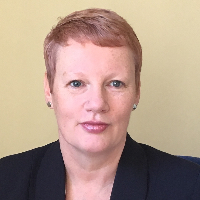
United Kingdom · 20 yrs exp
Relationship · Family · Trauma and abuse · Grief · +10 more
Read profile
United Kingdom · 5 yrs exp
Stress, Anxiety · Relationship · Family · Trauma and abuse · +14 more
Read profile
United Kingdom · 12 yrs exp
Stress, Anxiety · Relationship · Grief · Parenting · +7 more
Read profile
United Kingdom · 8 yrs exp
Stress, Anxiety · Relationship · Grief · Self esteem · +15 more
Read profile
United Kingdom · 8 yrs exp
Stress, Anxiety · Relationship · Grief · Self esteem · +1 more
Read profile
United Kingdom · 17 yrs exp
Stress, Anxiety · Grief · Anger · Self esteem · +1 more
Read profile
United Kingdom · 9 yrs exp
Stress, Anxiety · Relationship · Family · Self esteem · +7 more
Read profile
United Kingdom · 6 yrs exp
Stress, Anxiety · Relationship · Family · Self esteem · +9 more
Read profile
United Kingdom · 10 yrs exp
Stress, Anxiety · Relationship · Family · Trauma and abuse · +16 more
Read profile
United Kingdom · 3 yrs exp
Stress, Anxiety · Relationship · Family · Trauma and abuse · +6 more
Read profile
United Kingdom · 9 yrs exp
Stress, Anxiety · Relationship · Family · Trauma and abuse · +12 more
Read profile
United Kingdom · 3 yrs exp
Stress, Anxiety · Addictions · Family · Trauma and abuse · +9 more
Read profile
United Kingdom · 14 yrs exp
Stress, Anxiety · Trauma and abuse · Self esteem · Depression · +15 more
Read profile
United Kingdom · 6 yrs exp
Relationship · Trauma and abuse · Grief · Self esteem · +15 more
Read profile
United Kingdom · 5 yrs exp
Stress, Anxiety · Relationship · Family · Self esteem · +16 more
Read profile
United Kingdom · 4 yrs exp
Stress, Anxiety · Relationship · Trauma and abuse · Self esteem · +16 more
Read profile
United Kingdom · 10 yrs exp
Stress, Anxiety · Relationship · Intimacy-related issues · Eating · +13 more
Read profile
United Kingdom · 23 yrs exp
Stress, Anxiety · LGBT · Relationship · Anger · +5 more
Read profile
United Kingdom · 27 yrs exp
Stress, Anxiety · Relationship · Grief · Intimacy-related issues · +13 more
Read profile
United Kingdom · 6 yrs exp
Stress, Anxiety · Relationship · Trauma and abuse · Grief · +7 more
Read profile
United Kingdom · 6 yrs exp
Stress, Anxiety · Relationship · Family · Trauma and abuse · +7 more
Read profile
United Kingdom · 18 yrs exp
Stress, Anxiety · Relationship · Trauma and abuse · Depression · +12 more
Read profile
United Kingdom · 3 yrs exp
Stress, Anxiety · Relationship · Family · Trauma and abuse · +12 more
Read profileOnline therapy has become a well-established option across the United Kingdom, with many clinicians offering remote sessions alongside or instead of in-person care. You can access therapy from most regions, whether you live in a large city, a coastal town, or a rural area. Regulators and professional bodies in the United Kingdom have provided guidance on practicing remotely, so qualified therapists follow clear standards for assessment, record-keeping, and professional boundaries even when you meet by video or phone. Technology has made it possible to connect quickly with clinicians who specialize in the areas you need, reducing travel time and making it easier to fit care into a busy schedule.
When you look for a therapist, you will find a range of formats available, including video sessions, telephone appointments, and text-based or messaging options in some cases. Availability varies by practitioner and by the platform they use to schedule and host sessions. Many clinicians maintain flexible hours, offering early morning, evening, or weekend appointments to accommodate work and family commitments. This variety means you can choose an approach that fits your daily life and communication preferences, which can help you stay consistent with appointments and make steady progress.
Choosing online therapy can bring practical advantages that make it easier for you to prioritize mental health. You can reduce commute time and avoid the stress of travelling in poor weather or during busy transport hours. For many people, the ability to attend sessions from a comfortable environment helps them focus more fully on the therapeutic process. If mobility, caregiving responsibilities, or work hours make in-person appointments difficult, remote therapy can be a reliable alternative that keeps your care on track.
Online therapy also broadens your options, allowing you to connect with therapists who may not be located near you but who offer expertise in your particular concerns. This wider pool can be particularly helpful if you are seeking a clinician with specific training, a particular therapeutic approach, or language fluency. For people who experience increased anxiety in unfamiliar settings or who prefer the familiarity of home, remote sessions can feel less intimidating while still providing professional, structured support. While the therapeutic relationship remains central, the convenience and accessibility of online care lower practical barriers to getting started and staying engaged.
Online therapists in the United Kingdom support people with a wide range of emotional and psychological concerns. You can seek help for stress related to work or relationships, anxiety and panic, low mood and depression, grief, and life transitions such as relocation or changes in family structure. Clinicians often work with people facing specific situational challenges, including adjustments after illness or bereavement, navigating caregiving responsibilities, and managing academic or career pressures.
Therapists also offer support for longer-term patterns that affect your well-being, such as difficulties with self-esteem, repeated relationship conflicts, or maladaptive coping strategies. Many practitioners are trained in evidence-informed approaches to help with trauma, obsessive-compulsive concerns, and phobias, and you can find clinicians who specialize in working with adolescents, older adults, or particular cultural communities. If you are seeking help for a combination of issues - for example, anxiety and sleep problems linked to workplace stress - a therapist can work with you to create a tailored plan that addresses how these concerns interact in your life.
Verifying a therapist's licence is an important step to ensure that you are working with a qualified professional. In the United Kingdom, different titles and specialisms are regulated by different bodies, so it helps to know which register corresponds to the therapist you are considering. You can usually confirm registration by checking the official register for that professional body, which lists active practitioners and any restrictions on practice. Many therapists list their registration number and the name of their regulator on their profile, and you can use that information to cross-check on the regulator's website.
When you review a profile, look for clear information about the clinician's qualifications, membership in recognised professional organisations, and any stated areas of specialization. If that information is not readily available, you can send a short message asking for registration details and confirmation of their right to practise. Licensed practitioners will expect this kind of question and will be able to provide the necessary details. Verifying a licence not only reassures you about the therapist's training but also gives you a point of contact if you need to raise a concern with a regulatory body at a later time.
Starting online therapy begins with a few simple steps that set the tone for productive work. First, take time to read therapist profiles to find clinicians whose approaches and specialties match your needs. Many profiles include a professional summary, details about modality and training, and information about the types of clients they work with. Once you identify a few possibilities, contact them to ask about availability, fees, cancellation policies, and whether they offer an initial assessment session. An initial session is an opportunity to see whether the therapist's style fits what you are looking for and to clarify goals for therapy.
Before your first appointment, think about practical arrangements such as the device you will use, a quiet room where you will not be interrupted, and whether you prefer video or phone contact. Make sure you understand the therapist's process for handling emergencies or outside-session concerns, as remote work may require clear plans for crisis support. During the early sessions you and your therapist will work together to set goals and agree on a frequency that suits your needs. If a particular approach does not feel helpful, it is okay to discuss alternatives or to seek a different clinician who may be a better match.
Different therapists use different methods, such as cognitive-behavioural approaches, psychodynamic work, or integrative methods that draw on multiple traditions. Think about whether you prefer a structured approach with homework and skill-building or a more exploratory style that focuses on insight and understanding. Experience with specific concerns can be crucial - for example, someone who has substantial work with trauma will bring different skills than a therapist who primarily supports relationship and communication issues. Profiles often include a summary of approach and areas of focus, and an initial conversation can clarify whether the therapist's methods feel like a good fit.
Therapeutic change relies heavily on the relationship you form with your clinician. Pay attention to how you feel in an initial contact and during the first few sessions. You should feel listened to and respected, and the therapist should be able to explain their approach in a clear, approachable way. Practical factors such as appointment times, fees, and cancellation policies matter as well. Choose a practitioner whose logistics fit your life so that maintaining regular sessions is sustainable. If language, cultural perspective, or lived experience are important to you, look for clinicians who explicitly mention these strengths in their profiles.
Finding the right therapist can take time, and it is normal to try a couple of clinicians before settling on someone who feels right. Trust your judgement about what feels helpful and safe for your process, and communicate openly about what is or is not working. If you decide to change therapists, a good practitioner will support that choice and may offer a referral or a brief handover to ensure continuity of care. Your priorities may change over time, and a therapist who remains responsive to those shifts will help you make consistent progress.
Online therapy in the United Kingdom offers a flexible and effective way to access professional support. With careful verification, clear communication, and attention to practical fit, you can find a clinician who helps you address current concerns and build skills for the future. Use the directory to explore profiles, reach out with questions, and take the next step toward improved well-being on terms that suit your life.