
Sahra Robinson
LCSW· Accepting clientsNew York · 24 yrs exp
Stress, Anxiety · Relationship · Anger · Self esteem · +12 more
Read profileThe therapist listings are provided by BetterHelp and we will earn a commission if you use our link - at no cost to you.
Welcome to the New York online therapists directory. All therapists listed on this page are licensed to practice in New York. Explore profiles to learn about specialties, availability, and how to begin teletherapy appointments.
New York · 24 yrs exp
Stress, Anxiety · Relationship · Anger · Self esteem · +12 more
Read profile
New York · 18 yrs exp
Stress, Anxiety · Relationship · Family · Intimacy-related issues · +12 more
Read profile
New York · 22 yrs exp
Stress, Anxiety · Relationship · Grief · Depression · +7 more
Read profile
New York · 25 yrs exp
Stress, Anxiety · Trauma and abuse · Self esteem · Career · +15 more
Read profile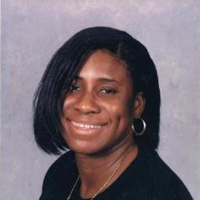
New York · 35 yrs exp
Stress, Anxiety · Self esteem · Career · ADHD · +10 more
Read profile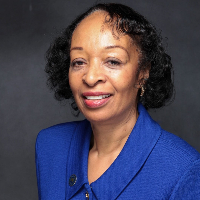
New York · 29 yrs exp
Stress, Anxiety · Relationship · Self esteem · Depression · +5 more
Read profile
New York · 27 yrs exp
Stress, Anxiety · Grief · Self esteem · Coping with life changes · +2 more
Read profile
New York · 10 yrs exp
Stress, Anxiety · Addictions · Relationship · Family · +15 more
Read profile
New York · 8 yrs exp
Stress, Anxiety · Addictions · Relationship · Trauma and abuse · +12 more
Read profile
New York · 15 yrs exp
Stress, Anxiety · Family · Trauma and abuse · Self esteem · +1 more
Read profile
New York · 7 yrs exp
Addictions · Relationship · Intimacy-related issues · Self esteem · +3 more
Read profile
New York · 20 yrs exp
Stress, Anxiety · Family · Parenting · Self esteem · +7 more
Read profile
New York · 14 yrs exp
Stress, Anxiety · Trauma and abuse · Anger · Self esteem · +14 more
Read profile
New York · 30 yrs exp
Addictions · LGBT · Trauma and abuse · Anger · +9 more
Read profile
New York · 13 yrs exp
Stress, Anxiety · Relationship · Family · Bipolar · +15 more
Read profile
New York · 20 yrs exp
Relationship · Trauma and abuse · Intimacy-related issues · Self esteem · +1 more
Read profile
New York · 20 yrs exp
Relationship · Self esteem · Career · Depression · +11 more
Read profile
New York · 25 yrs exp
Stress, Anxiety · Relationship · Trauma and abuse · Grief · +1 more
Read profile
New York · 30 yrs exp
Stress, Anxiety · Relationship · Family · Trauma and abuse · +11 more
Read profile
New York · 40 yrs exp
Stress, Anxiety · Relationship · Trauma and abuse · Grief · +12 more
Read profile
New York · 40 yrs exp
Stress, Anxiety · Relationship · Grief · Depression · +2 more
Read profile
New York · 25 yrs exp
Stress, Anxiety · Family · Grief · Parenting · +1 more
Read profile
New York · 20 yrs exp
Stress, Anxiety · Career · Bipolar · Depression · +1 more
Read profile
New York · 31 yrs exp
Stress, Anxiety · Relationship · Trauma and abuse · Self esteem · +1 more
Read profileOnline therapy has become a mainstream option for people who live in New York, whether they are in New York City, surrounding suburbs, or upstate communities. The professional landscape has evolved so that many licensed clinicians offer remote sessions by video or phone, allowing clients to connect from home, work, or a car between commitments. State regulations now outline how teletherapy can be offered by clinicians licensed in New York, and most practitioners who provide remote services carry credentials that authorize them to practice with residents of the state. For many New Yorkers this means access to therapists with specialized training who might not be available locally. Remote sessions remove certain geographic barriers while allowing therapy to fit into busy days, unpredictable commutes, or situations where in-person visits are difficult.
When searching for an online therapist you will find a range of professional backgrounds, including licensed psychologists, social workers, counselors, and marriage and family therapists. Each clinician may offer a distinct approach - cognitive behavioral therapy, psychodynamic work, trauma-informed methods, or strengths-based counseling - and many combine modalities to match client needs. Availability often includes daytime, evening, and weekend appointments to suit varying schedules. Online formats also vary; some clinicians prefer video sessions, others offer phone appointments, and a number supplement synchronous sessions with messaging or digital tools. Understanding the options available in New York helps you decide which format and therapist style fits your life.
Online therapy offers several practical benefits that are especially relevant to the pace and diversity of life in New York. Commute times in urban areas can be long and unpredictable. Remote sessions remove travel time and make it easier to schedule appointments during a lunch break or between other obligations. For residents in more rural parts of the state, remote access opens up therapists whose expertise previously required long drives. You can access clinicians who specialize in particular populations or clinical issues without being limited by geography.
Another benefit is flexibility. If your work or family responsibilities change from week to week, you can often maintain continuity of care with the same clinician even when your day-to-day routine shifts. This continuity can support progress in therapy because it keeps treatment consistent rather than interrupted by logistical hurdles. Additionally, remote sessions can feel less formal for some people, making it easier to speak openly sooner. Some clients find that being in a familiar environment - a living room or quiet study - helps them engage more comfortably in therapy. Online therapy also enables faster access to care in many cases, reducing wait times for an initial appointment.
Online therapists in New York work with a broad spectrum of concerns. Many clinicians provide evidence-informed treatment for anxiety and depression, using structured approaches that translate well to video or phone sessions. Therapists also commonly support people facing relationship challenges - couples work, family dynamics, and communication struggles - and many are trained in modalities that address partnership issues and parenting stress. Professionals frequently assist clients managing life transitions, such as career changes, relocation, grief, and adjustment to major milestones that can be disorienting or stressful.
In addition to mood and relationship concerns, online clinicians often specialize in trauma-informed care, stress management, and coping strategies for chronic illness. Some therapists focus on identity-related issues, offering culturally responsive care for LGBTQ+ clients, immigrants, and people from diverse racial and ethnic backgrounds. Others work with performance-related stress, including workplace burnout and academic pressure. Because New York attracts a diverse population, you can find clinicians who combine clinical expertise with lived experience or additional training to address specific cultural, occupational, or developmental needs. Many therapists also provide short-term skill-building programs and longer-term psychotherapeutic work, so you can seek either focused support or deeper exploration depending on your goals.
Verifying a therapist's license is an important step before beginning care. In New York, professional licenses are issued by state boards that maintain public registries. These registries allow you to confirm that a clinician holds an active license in the appropriate discipline and that there are no public disciplinary actions. When reviewing a profile, look for the therapist's license type and number; most practitioners will list the board that regulates their credential. You can then visit the appropriate New York state license lookup service online and enter the clinician's name or license number to verify status and expiration date.
The license record typically shows the practitioner’s license type, issuance and expiration dates, and any recorded disciplinary history. If the record indicates the license is active and in good standing, that confirms the clinician is authorized to practice in New York. If any disciplinary actions are listed, read the details to understand their nature and whether they impact clinical practice. If a clinician is licensed in another state but not New York, ask whether they are authorized to provide teletherapy to New York residents; cross-state practice can involve additional rules. When in doubt, contact the state board directly for clarification before beginning therapy.
Beginning online therapy begins with clarifying what you hope to achieve. Consider whether you want short-term coaching, skill-based treatment for specific symptoms, or long-term psychotherapy. Think about practical preferences too - days and times that work for you, whether you prefer video or phone sessions, and whether you want email or messaging support between appointments. Once you have those priorities, use therapist profiles to compare training, specialties, years of experience, and approaches. Many clinicians offer a brief introductory call or a first consultation so you can get a feel for their style before committing to ongoing sessions. Treat that initial meeting as an opportunity to ask about their approach to issues similar to yours, session frequency, fee structure, and cancellation policies.
When selecting a therapist, trust your sense of fit. Technical competence and credentials are essential, but the relationship you build matters a great deal for progress. If something feels off in the first few sessions - a mismatch of approach, communication style, or availability - it is reasonable to discuss concerns with the therapist or to try another clinician. Look for someone who listens closely, explains their work clearly, and sets goals that align with your priorities. Also consider practical matters such as insurance coverage, sliding scale options, or out-of-pocket rates. If you rely on health insurance, confirm the therapist’s participation and any requirements for reimbursement. If you have unique scheduling needs, seek clinicians who explicitly offer flexible appointment times.
Finally, prepare your environment for sessions in a way that supports focused work. Choose a quiet, comfortable setting where you can speak without interruptions. Use headphones if you prefer added auditory privacy. Make sure your internet connection and device camera work well for video sessions, and ask the clinician ahead of time about their preferred platform and any technical tips. By combining clear goals, thoughtful comparison of profiles, and attention to practical considerations, you can find an online therapist in New York who helps you move toward better coping, insight, and well-being.